
Nerve Pain vs. Muscle Pain: How to Tell the Difference for Better Treatment
Understanding the distinction between nerve pain and muscle pain is crucial for receiving the most effective treatment. While both conditions can cause significant discomfort, they originate from different sources and require different therapeutic approaches. Whether you’re experiencing sharp, shooting sensations or dull, aching discomfort, recognizing these differences can guide you toward the right relief strategy, including natural pain management solutions that have helped millions find comfort.
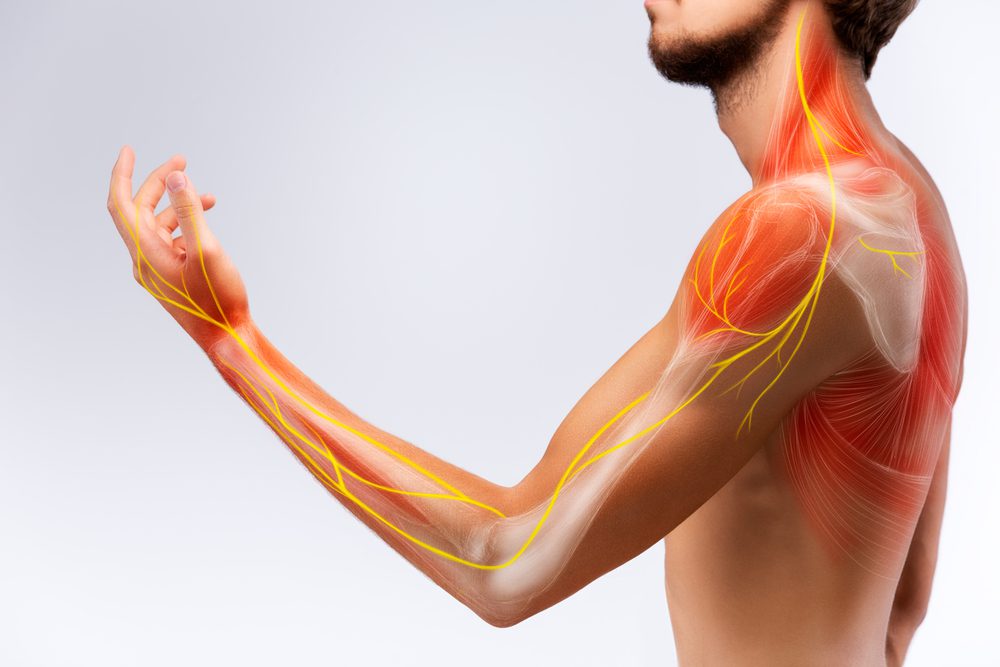
Understanding Nerve Pain: When Your Nervous System Sends Warning Signals
Nerve pain, medically known as neuralgia or neuropathic pain, occurs when there’s damage, irritation, or dysfunction in your nervous system. This type of pain affects approximately 10% of the United States population and presents with distinct characteristics that set it apart from other pain types.
Key Characteristics of Nerve Pain
Sensation Quality: Nerve pain typically manifests as sharp, stabbing, burning, or electric shock-like sensations. Many patients describe it as feeling like “pins and needles” or as if their “skin is on fire”. Unlike muscle pain, these sensations often feel abnormal or different from anything previously experienced.
Pain Distribution: One of the most distinguishing features of nerve pain is its tendency to radiate along specific nerve pathways. For example, a pinched nerve in your lower back can cause shooting pain down your leg (sciatica), while nerve irritation in your neck might radiate pain to your shoulders or arms.
Timing and Triggers: Nerve pain often worsens at night and can be triggered by light touch that wouldn’t normally cause discomfort. This condition, known as allodynia, makes even gentle contact painful.
Associated Symptoms: Nerve pain frequently comes with additional neurological symptoms including:
Tingling or numbness
Muscle weakness in the affected area
Heightened sensitivity to touch, sound, or temperature
Loss of coordination or balance
Common Causes of Nerve Pain
Several conditions can lead to nerve pain, including diabetes (affecting nearly three-quarters of diabetic patients), multiple sclerosis, infections like shingles, physical trauma, and chronic kidney disease. The damage may result from aging, autoimmune diseases, or pressure from surrounding tissues like bones, blood vessels, or tumors.

Recognizing Muscle Pain: When Your Body’s Engine Needs Attention
Muscle pain, or myalgia, typically results from overuse, tension, injury, or strain to muscle fibers. This type of pain presents differently from nerve pain and generally responds better to rest and conventional pain management approaches.
Characteristics of Muscle Pain
Sensation Quality: Muscle pain usually feels dull, achy, sore, or crampy. It may also present as stiffness or a heavy feeling in the affected muscles. The pain tends to be more consistent and predictable compared to the sharp, unpredictable nature of nerve pain.
Pain Localization: Unlike nerve pain that radiates, muscle pain typically remains localized to the specific muscle or muscle group that’s been injured or overworked. The discomfort stays in the area where the actual tissue damage has occurred.
Response to Movement: Muscle pain often improves with gentle stretching and movement, whereas nerve pain typically doesn’t respond positively to stretching. Muscle strains generally feel better with rest, ice, and over-the-counter pain medications.
Duration and Recovery: Most muscle pain resolves within a few days to a week with proper rest and care, unless there’s a severe injury like a torn muscle. The pain usually follows a predictable healing pattern.
Treatment Approaches: Tailoring Solutions to Pain Type
Conventional Medical Treatments
For nerve pain, healthcare providers often prescribe specialized medications like anticonvulsants (gabapentin, pregabalin), tricyclic antidepressants, or serotonin-noradrenaline reuptake inhibitors. More severe cases might require nerve blocks, spinal cord stimulators, or other interventional procedures.
Muscle pain typically responds well to conventional pain relievers, anti-inflammatory medications, physical therapy, heat/cold therapy, and massage.
Natural and Ayurvedic Approaches
For those seeking natural pain relief solutions, several Ayurvedic and herbal approaches have shown promise for both nerve and muscle pain management.
Essential Oils and Herbal Remedies
Research has demonstrated the effectiveness of various essential oils for neuropathic pain relief. Natural treatments like lavender essential oil have shown comparable effects to pregabalin in animal studies, effectively reducing pain threshold and mechanical hypersensitivity. Other beneficial oils include:
Eucalyptus oil: Demonstrated effectiveness in animal studies for nerve pain
Bergamot and nutmeg oils: Shown potential benefits, though more research is needed
Ginger oil: Known for its potent anti-inflammatory and antioxidant properties
Traditional Ayurvedic Formulations
Ayurvedic pain relief oils combine multiple therapeutic ingredients to address both nerve and muscle pain comprehensively. Key ingredients often include:
Gandhapura (Wintergreen) Oil: Contains natural methyl salicylate, providing aspirin-like pain relief without harsh chemicals
Nirgundi Oil: Valued for anti-inflammatory, analgesic, and muscle-relaxing effects
Til (Sesame) Oil: Serves as a deeply penetrating base that carries medicinal properties into tissues
Jyotishmati Oil: Known for neuroprotective and nerve pain-relieving properties
These traditional formulations work through multiple mechanisms, including reducing inflammation, improving blood circulation, calming the nervous system, and strengthening tissues.
When to Seek Professional Help
While home remedies and natural treatments can provide significant relief, certain symptoms warrant immediate professional attention:
Persistent pain that doesn’t improve with rest or basic care
Numbness, weakness, or loss of function
Pain accompanied by fever or signs of infection
Sudden onset of severe pain following injury
Pain that interferes with sleep or daily activities
According to Harvard Health Publishing’s pain management experts, effective pain management often involves a holistic approach that addresses both physical and emotional aspects of pain.
Long-term Management Strategies
Lifestyle Modifications
Whether dealing with nerve pain or muscle pain, certain lifestyle changes can support healing and prevent recurrence:
For Nerve Pain:
Maintain stable blood sugar levels (especially important for diabetics)
Regular, gentle exercise to promote nerve health and circulation
Stress management through meditation, yoga, or relaxation techniques
Adequate hydration and proper nutrition
For Muscle Pain:
Proper warm-up before physical activity
Regular stretching and flexibility exercises
Adequate rest and recovery time between intense activities
Maintaining good posture throughout daily activities
Integrative Approaches
Mind-body techniques and complementary therapies can significantly enhance traditional pain management approaches. Combining conventional medical care with natural approaches often provides the most comprehensive pain management strategy. This might include:
Using prescribed medications alongside herbal supplements (with medical supervision)
Incorporating massage therapy with essential oils
Combining physical therapy with yoga or tai chi
Integrating acupuncture with conventional pain management
Drug-free pain relief options have gained recognition in mainstream medicine as effective alternatives or complements to traditional medication-based treatments.
The Role of Quality Natural Products
When choosing natural pain relief products, quality and ingredient sourcing matter significantly. Look for formulations that use traditional Ayurvedic principles while meeting modern safety standards. Products should clearly list their ingredients, provide proper usage instructions, and be manufactured by reputable companies with quality certifications.
The most effective natural pain relief oils typically combine multiple therapeutic ingredients in precise ratios, allowing for synergistic effects that address both the symptoms and underlying causes of pain.
Home Remedies and Self-Care Strategies
Simple home remedies can provide significant relief for both nerve and muscle pain:
Warm water soaks: Bathing with warm water can increase blood flow and reduce stress
Regular exercise: Releases natural painkillers called endorphins and improves circulation
Proper sleep hygiene: Maintaining regular sleep schedules helps break pain cycles
Stress management: Meditation and relaxation techniques can significantly reduce pain perception
Capsaicin cream: Made from hot peppers, it may help with nerve pain when used consistently
Conclusion
Distinguishing between nerve pain and muscle pain is the first step toward effective treatment. While nerve pain presents with sharp, radiating, electric-like sensations often accompanied by numbness and tingling, muscle pain typically manifests as localized, dull, achy discomfort that improves with rest and stretching.
Both conventional and natural treatment approaches have their place in comprehensive pain management. Whether you choose pharmaceutical interventions, traditional Ayurvedic remedies, or a combination of both, the key is working with healthcare providers who understand your specific condition and can guide you toward the most appropriate treatment strategy.
For those exploring natural alternatives, high-quality Ayurvedic formulations that combine time-tested ingredients like gandhapura, nirgundi, and jyotishmati oils can provide effective relief while supporting your body’s natural healing processes. Remember that effective pain management often requires patience, consistency, and sometimes a combination of approaches tailored to your individual needs and pain type.
By understanding these differences and exploring appropriate treatment options, you can take a more informed and proactive approach to managing your pain, ultimately leading to better outcomes and improved quality of life.