Article

Article

Managing Neuralgia Pain with Neuralgia Products

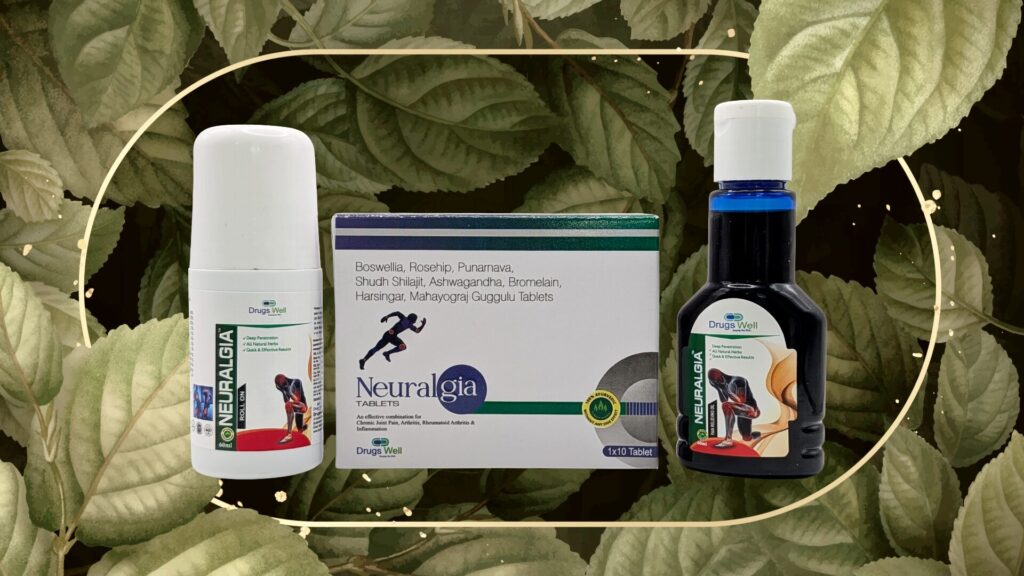
Managing Neuralgia Pain? Here’s How The Right Products Can Make A Real Difference Living with neuralgia pain is exhausting. The sharp, burning, or tingling sensations can strike without warning, disrupting your day and making even simple tasks feel impossible. If you’re someone who deals with this kind of nerve discomfort regularly, you know how frustrating it is when standard pain relief just doesn’t cut it. The good news? There are smarter, more targeted ways to manage neuralgia pain than you might think. And it doesn’t always mean relying solely on prescription medications with uncomfortable side effects. We recently launched three new products specifically designed to help people like you take control of neuralgia pain naturally and effectively. Let me walk you through each one and show you why they’re getting attention from people who’ve struggled with this condition for years. Why Neuralgia Needs A Different Approach Before diving into our products, it’s worth understanding why neuralgia requires special attention. Unlike regular muscle pain or inflammation, neuralgia is a nerve-related condition that typically doesn’t respond well to standard over-the-counter pain relievers like paracetamol or NSAIDs. Your nerves need a different kind of support. That’s why we designed our product line to address neuralgia from multiple angles—whether you need quick topical relief, sustained oral support, or long-term nerve health maintenance. Neuralgia Tablets: Targeted Oral Support For Nerve Pain Let’s start with our Neuralgia Tablets—these are our flagship product for anyone looking for consistent, sustained relief from nerve-related discomfort. The tablets are formulated to work from within your system, addressing the root causes of neuralgia pain rather than just masking symptoms. They’re designed for daily use, which means you’re not just treating pain flare-ups—you’re actively supporting your nerve health over time. What makes Neuralgia Tablets stand out is their combination approach. They’re not a single-ingredient solution; instead, they bring together carefully selected components that work together to calm irritated nerves, reduce inflammation, and improve overall nerve function. This is the kind of comprehensive support that people with chronic neuralgia actually need. The best part? You can integrate them seamlessly into your daily routine. Take them consistently, and many users report noticeable improvements in pain frequency and intensity within a few weeks. It’s the kind of product that works quietly in the background, letting you reclaim your life without constant discomfort. Our Neuralgia Tablets product page has detailed information about dosage, ingredients, and real user experiences—worth checking out if you want to dive deeper. Neuralgia Roll-On: Fast, Targeted Relief When You Need It Most Now, tablets are great for long-term management, but sometimes you need relief right now. That’s where our Neuralgia Roll-On comes in. This is a topical pain reliever you can apply directly to affected areas—your hands, feet, legs, face, or wherever the nerve pain is hitting hardest. The beauty of a roll-on application is that it’s mess-free, portable, and works fast. No mixing creams or dealing with greasy residues. The Neuralgia Pain Relief Roll-On delivers a cooling, soothing sensation that penetrates the area of discomfort. Whether you’re at work, at home, or on the go, you can discreetly roll it on and feel relief within minutes. It’s the kind of product you keep in your desk drawer, your bag, or your nightstand—basically, everywhere. What makes this different from generic topical pain relievers is that it’s specifically formulated for nerve-related pain. It targets the nerve receptors in the area where you apply it, rather than just creating a temporary numbing sensation. Some people find they can reduce how often they need to take oral medications once they have the Neuralgia Roll-On as their go-to solution for acute pain episodes. You can check out the Neuralgia Roll-On product page to see usage instructions and learn more about how to get the best results. Olivtam Olive Oil: The Nourishment Your Nerves Actually Need Here’s where things get interesting. While most people focus on treating the pain itself, we wanted to address something deeper—actual nerve health and resilience. That’s why we created Olivtam Olive Oil, a specialized olive oil designed to support your nervous system from the inside out. Recent research has shown that high-quality olive oil contains powerful compounds—like oleocanthal and hydroxytyrosol—that can protect nerve cells, reduce neuroinflammation, and support the body’s natural repair mechanisms. Think of it as nutritional support specifically targeted at the health of your nerves. Olivtam Olive Oil is the kind of product that works best as part of a daily routine. You incorporate it into your diet, and over time, it nourishes your nervous system, helping to improve resilience and reduce the frequency of pain episodes. Some people use it as a complement to their Neuralgia Tablets for even more comprehensive support. The approach here is preventive rather than reactive. You’re not just managing pain when it happens—you’re actively working to strengthen your nervous system so it can handle stress, inflammation, and nerve irritation better overall. You can find detailed information, usage recommendations, and quality certifications on the Olivtam Olive Oil product page. How These Products Work Together Here’s the thing about neuralgia—there’s rarely a one-size-fits-all solution. Most people find success by combining approaches. A typical strategy might look like this: For daily management: Take your Neuralgia Tablets consistently to maintain baseline nerve health and reduce overall pain intensity. For immediate relief: Keep your Neuralgia Roll-On handy for when you experience acute flare-ups or need fast relief during the day. For long-term nerve resilience: Use Olivtam Olive Oil daily to nourish your nervous system and support the healing process over weeks and months. This layered approach addresses neuralgia from multiple angles—immediate relief, sustained support, and deep nutritional care. Most people report better overall outcomes when they use these products together rather than relying on just one solution. What Real People Are Saying Without diving into individual testimonials, what we’re hearing from people who’ve switched to this three-part approach is remarkably consistent: they experience fewer pain episodes, less intensity when pain does occur, and a real sense of control over their condition. That last point—control—seems to matter as much as the pain reduction itself. People tell us they feel like they’re no longer at the mercy of

Article

Ayurveda Chronic Nerve Pain Hindi

आयुर्वेद की भूमिका दीर्घकालिक तंत्रिका दर्द के प्रबंधन में: एक ऐतिहासिक परिप्रेक्ष्य दर्द एक ऐसा अनुभव है जो हर इंसान के जीवन का हिस्सा है। लेकिन जब यह दर्द लगातार बना रहे, खासकर तंत्रिकाओं (नसों) में, तो यह जीवन को असहनीय बना देता है। आधुनिक चिकित्सा विज्ञान इसे न्यूरोपैथिक दर्द या न्यूरेल्जिया के नाम से जानता है। लेकिन क्या आप जानते हैं कि हजारों साल पहले, भारत की प्राचीन चिकित्सा पद्धति आयुर्वेद ने इस समस्या को पहचाना था और इसके प्रभावी समाधान विकसित किए थे? आज जब दुनिया भर में लोग दीर्घकालिक दर्द (क्रोनिक पेन) से जूझ रहे हैं और दवाइयों के साइड इफेक्ट्स से परेशान हैं, तब आयुर्वेद की प्राचीन ज्ञान परंपरा एक सुरक्षित और समग्र विकल्प प्रस्तुत करती है। यह लेख आपको बताएगा कि कैसे आयुर्वेद ने सदियों से तंत्रिका दर्द को समझा और इसका इलाज किया है। आयुर्वेद का गौरवशाली इतिहास आयुर्वेद, जिसका अर्थ है “जीवन का विज्ञान” (आयु + वेद = जीवन का ज्ञान), विश्व की सबसे प्राचीन चिकित्सा पद्धतियों में से एक है। इसकी उत्पत्ति लगभग 5000 वर्ष पूर्व भारत में हुई थी। वैदिक काल में ऋषि-मुनियों ने प्रकृति के गहन अध्ययन और आत्म-साक्षात्कार के माध्यम से इस ज्ञान को प्राप्त किया। चरक संहिता और सुश्रुत संहिता: आयुर्वेद के मूल ग्रंथ चरक संहिता, जो लगभग 400-200 ईसा पूर्व में लिखी गई मानी जाती है, आयुर्वेद का सबसे महत्वपूर्ण और प्राचीन ग्रंथ है। इसमें 8400 से अधिक श्लोक हैं जो आंतरिक चिकित्सा (कायचिकित्सा) पर केंद्रित हैं। सुश्रुत संहिता, जो छठी शताब्दी ईसा पूर्व में महर्षि सुश्रुत द्वारा रची गई, शल्य चिकित्सा (सर्जरी) का विश्व का पहला व्यापक ग्रंथ है। इन प्राचीन ग्रंथों में तंत्रिका विकारों का विस्तृत वर्णन मिलता है, जिन्हें वातव्याधि के नाम से जाना जाता था। यह शब्द उन सभी रोगों को दर्शाता है जो वात दोष के असंतुलन से उत्पन्न होते हैं। तंत्रिका दर्द को आयुर्वेद की दृष्टि से समझना आयुर्वेद के अनुसार, हमारा शरीर तीन मूल ऊर्जाओं या दोषों से बना है: वात (वायु और आकाश), पित्त (अग्नि और जल), और कफ (पृथ्वी और जल)। इन तीनों का संतुलन ही स्वास्थ्य है, और इनका असंतुलन रोग का कारण बनता है। वात दोष और तंत्रिका तंत्र आयुर्वेद में वात दोष पूरे तंत्रिका तंत्र को नियंत्रित करता है। यह गति, संचार, और सभी प्रकार की हलचल का प्रतिनिधित्व करता है। जब वात असंतुलित होता है, तो यह तंत्रिकाओं में विभिन्न प्रकार के लक्षण पैदा करता है: झनझनाहट और सुन्नता (चिमचिमायण) तीव्र जलन (दाह) चुभने जैसा दर्द (शूल) कमजोरी (बलक्षय) मांसपेशियों का क्षय (मांस क्षय) चरक संहिता के चिकित्सा स्थान के 28वें अध्याय में वातव्याधि चिकित्सा का विस्तार से वर्णन है। इसमें बताया गया है कि कैसे वात दोष विभिन्न ऊतकों (धातुओं) में प्रवेश कर विभिन्न लक्षण उत्पन्न करता है। दीर्घकालिक तंत्रिका दर्द क्या है? न्यूरेल्जिया या तंत्रिका शूल एक ऐसी स्थिति है जिसमें तंत्रिकाओं में तीव्र, चुभने वाला या बिजली के झटके जैसा दर्द होता है। यह दर्द अचानक आता है और बहुत तीव्र होता है। सबसे सामान्य प्रकार है ट्राइजेमिनल न्यूरेल्जिया (चेहरे की तंत्रिका का दर्द), लेकिन यह शरीर के किसी भी हिस्से में हो सकता है। दीर्घकालिक तंत्रिका दर्द के प्रमुख कारण: मधुमेह (डायबिटिक न्यूरोपैथी) शिंगल्स संक्रमण के बाद (पोस्टहर्पेटिक न्यूरेल्जिया) तंत्रिका पर दबाव (स्लिप डिस्क, ट्यूमर) पुरानी चोटें पोषक तत्वों की कमी स्व-प्रतिरक्षित रोग आधुनिक चिकित्सा में इसका उपचार मुख्यतः दर्द निवारक दवाओं, एंटी-कन्वल्सेंट्स और कभी-कभी सर्जरी से किया जाता है। लेकिन ये उपचार अक्सर केवल लक्षणों को नियंत्रित करते हैं, मूल कारण को नहीं। आयुर्वेद का समग्र दृष्टिकोण आयुर्वेद केवल लक्षणों का उपचार नहीं करता, बल्कि रोग की जड़ तक पहुंचता है। तंत्रिका दर्द के उपचार में आयुर्वेद तीन मुख्य सिद्धांतों पर काम करता है: दोष संतुलन – वात, पित्त और कफ को संतुलित करना अग्नि सुधार – पाचन शक्ति को मजबूत करना आम निष्कासन – शरीर से विषैले पदार्थों को बाहर निकालना पंचकर्म: तंत्रिका दर्द का गहन उपचार पंचकर्म आयुर्वेद की सबसे शक्तिशाली चिकित्सा पद्धति है, जो शरीर को गहराई से शुद्ध करती है। तंत्रिका दर्द के लिए विशेष रूप से प्रभावी पंचकर्म चिकित्साएं: अभ्यंग (औषधीय तेल मालिश) गर्म औषधीय तेलों से पूरे शरीर की मालिश की जाती है। यह तंत्रिकाओं को पोषण देती है, रक्त संचार बढ़ाती है और दर्द को कम करती है। अभ्यंग वात दोष को शांत करने का सबसे प्रभावी उपाय है। स्वेदन (औषधीय भाप चिकित्सा) अभ्यंग के बाद औषधीय जड़ी-बूटियों से युक्त भाप दी जाती है। यह ऊतकों में जमे विषाक्त पदार्थों को निकालती है और जकड़न को दूर करती है। बस्ती (औषधीय एनीमा) यह वात दोष को संतुलित करने की सबसे महत्वपूर्ण चिकित्सा है। औषधीय तेल या काढ़े का एनीमा दिया जाता है, जो बड़ी आंत से विषैले पदार्थों को निकालता है और तंत्रिका तंत्र को पोषण देता है। नास्य (नासिका मार्ग से औषधि देना) सिर और चेहरे की तंत्रिकाओं के दर्द के लिए नास्य बेहद प्रभावी है। औषधीय तेल को नाक के माध्यम से दिया जाता है, जो सीधे मस्तिष्क और तंत्रिका तंत्र तक पहुंचता है। शिरोधारा (माथे पर औषधीय तेल की धारा) यह एक अत्यंत आरामदायक चिकित्सा है जिसमें गर्म औषधीय तेल की निरंतर धारा माथे पर गिराई जाती है। यह मानसिक तनाव को दूर करती है और तंत्रिका तंत्र को शांत करती है। आयुर्वेदिक औषधीय तेल: प्रकृति का उपहार आयुर्वेद में तंत्रिका दर्द के लिए विशेष औषधीय तेल तैयार किए जाते हैं। ये तेल विभिन्न जड़ी-बूटियों से बनाए जाते हैं और तंत्रिकाओं को गहरा पोषण देते हैं। क्षीरबला तेल यह दूध और बला (सिडा कॉर्डिफोलिया) जड़ से बना होता है। यह सभी प्रकार के तंत्रिका विकारों में अत्यंत प्रभावी है। यह तेल तंत्रिकाओं को मजबूत करता है और दर्द, सुन्नता और झनझनाहट को कम करता है। धन्वंतरम तेल यह 28 से अधिक जड़ी-बूटियों का संयोजन है। यह मांसपेशियों की कमजोरी, लकवा, और गठिया में विशेष रूप से लाभदायक है। महानारायण तेल यह जोड़ों के दर्द और तंत्रिका कमजोरी के लिए एक शास्त्रीय सूत्रीकरण है। यह गठिया, ऑस्टियोपोरोसिस और सभी प्रकार के न्यूरोमस्कुलर विकारों में सहायक है। इन तेलों को नियमित रूप से प्रभावित क्षेत्र पर लगाने से धीरे-धीरे दर्द में कमी आती है। यह प्राकृतिक उपचार आधुनिक दर्द निवारक दवाओं की तुलना में सुरक्षित और दीर्घकालिक लाभ देता है। शक्तिशाली आयुर्वेदिक जड़ी-बूटियां आयुर्वेद में अनेक जड़ी-बूटियां हैं जो तंत्रिका स्वास्थ्य को बढ़ावा देती हैं: अश्वगंधा (विथानिया सोम्निफेरा) अश्वगंधा को “भारतीय जिनसेंग” कहा जाता है। यह तनाव को

Article

Neelgiri Oil Benefits Pain Relief

Neelgiri Oil: Nature’s Cooling Remedy for Pain and Wellness When you think about natural pain relief, chances are your mind drifts to the lush hills of the Nilgiris region in southern India. This is where Neelgiri oil—also known as Eucalyptus oil—grows abundantly, cloaking the landscape in aromatic greenery. What makes this oil so special isn’t just its origin story, though. It’s the profound healing potential wrapped within each drop. For centuries, traditional healers have reached for Neelgiri oil when their patients needed relief from aches, stiffness, and the discomfort that comes with daily living. Today, modern science is catching up with what our ancestors already knew: this humble yet powerful oil deserves a place in your wellness routine. At DrugsWell, we recognize the therapeutic importance of quality ingredients. That’s why Neelgiri oil is a cornerstone ingredient in Neuralgia Oil, our carefully formulated Ayurvedic solution designed to address nerve-related discomfort and muscular tension. Understanding Neelgiri Oil: What It Really Is Neelgiri oil comes from the leaves of the Eucalyptus globulus tree. When the leaves are heated with steam, they release the precious oil inside. This process is called steam distillation, and it’s been used for centuries to extract the healing power from plants. The oil you get is pale yellow or clear, with a strong, fresh medicinal smell that clears your mind instantly. But what really matters isn’t the color or the smell—it’s what’s inside the oil. The main healing ingredient in Neelgiri oil is something called 1,8-cineole (also known as eucalyptol). Think of this as the superhero of the oil. About 70% or more of quality Neelgiri oil is made of this powerful compound. It works alongside other helpful substances like limonene, alpha-pinene, and camphor. When all these ingredients work together, they create something special—a combination that’s more powerful than any single ingredient alone. According to research on eucalyptus essential oils, these compounds have remarkable therapeutic applications that modern science is only beginning to fully understand. Here’s the interesting part: when you massage Neelgiri oil onto your skin, it doesn’t just stay on the surface. The oil molecules are small enough to penetrate deep into your muscles and tissues, reaching exactly where the pain and tightness are happening. This is why massaging diluted Neelgiri oil has become such a trusted remedy throughout India and many other countries. The Pain-Relief Story: How Neelgiri Oil Works If you’ve ever experienced nerve pain, joint stiffness, or muscle soreness, you know how it can disrupt your entire day. You can’t move freely, you can’t sleep properly, and it’s hard to focus on anything else. Neelgiri oil tackles this problem in three main ways. How It Reduces Pain Signals Neelgiri oil is an analgesic, which is a fancy word for “pain reliever.” When you feel pain, it’s because your nerves are sending distress signals to your brain. These signals travel through special pathways in your nervous system, like messages through a communication network. The 1,8-cineole in Neelgiri oil works by blocking some of these pain messages. It targets specific receptor points in your nervous system—think of them like “pain receivers”—and tells them to reduce the signal. Research shows that 1,8-cineole decreases neuropathic pain by working on specific nerve receptors, which is why it’s particularly effective for nerve-related discomfort. For people dealing with neuropathic pain (that’s pain caused by nerve damage or nerve problems), Neelgiri oil is especially helpful. It works on the nerves themselves, not just the surrounding muscles. This is why it’s so valuable for conditions like sciatica, pinched nerves, or nerve inflammation. Studies on pain management approaches highlight how compounds like eucalyptol interrupt the pain transmission pathway, offering genuine relief without synthetic side effects. Reducing Swelling and Inflammation Here’s a simple truth: most chronic pain comes from inflammation. When your tissues become inflamed, they swell up, your movement becomes restricted, and pain naturally follows. It’s like a chain reaction. The 1,8-cineole in Neelgiri oil interrupts this chain. It tells your body to stop producing the chemical messengers that cause inflammation. In medical terms, these are called pro-inflammatory markers like TNF-α and interleukin-6. In everyday language, it simply means the oil helps your body calm down the swelling. Scientific research on anti-inflammatory effects of eucalyptus shows just how powerful this benefit is. When inflammation reduces, something wonderful happens: your muscles can move more freely, stiffness decreases, and comfort returns. This is why athletes and people with joint problems have trusted Neelgiri oil for so long. It’s not just people’s opinions; it’s backed by solid scientific study. Improving Blood Flow Imagine your muscles and tissues as a garden. They need water, nutrients, and oxygen to stay healthy and heal. Blood is what delivers all these essentials. When blood flow is poor, tissues can’t repair themselves properly, and pain persists. When you massage Neelgiri oil into your skin, two things happen. First, the massage itself increases blood flow—that’s basic circulation improvement. Second, the oil’s natural warmth and stimulating properties encourage even more blood to flow to that area. This combination is powerful. Better blood flow means your tissues get more oxygen and nutrients. It also means the waste products that build up in tired or sore muscles get flushed away faster. This is why many athletes use Neelgiri oil for recovery after exercise. The improved circulation speeds up healing and reduces soreness. Beyond Pain: The Broader Wellness Benefits While pain relief is what Neelgiri oil is most famous for, its benefits go far beyond just aching muscles and stiff joints. Clearing Your Respiratory System When you breathe in the aroma of Neelgiri oil or inhale its steam, something magical happens inside your respiratory system. The oil has warm, decongestant properties that help clear blocked nasal passages and soothe your throat. Many people find that simply adding a few drops of diluted Neelgiri oil to hot water and breathing in the steam gives them noticeable relief during cold season or when dealing with congestion. Eucalyptus oil has been shown to support respiratory comfort and make breathing easier. It’s one of the simplest remedies, yet one

Article

Gandhpura Oil Benefits Uses

Gandhpura Oil: Nature’s Ancient Remedy for Pain and Nerve Discomfort When it comes to natural pain relief, few ingredients have stood the test of time quite like Gandhpura oil. Known locally as Indian wintergreen, this powerful botanical has been a trusted companion in Ayurvedic medicine for thousands of years. If you’ve ever experienced joint pain, muscle tension, or nerve-related discomfort, understanding what Gandhpura oil is and how it works can open up a natural pathway to feeling better. The Ancient Origins of Gandhpura Oil The story of Gandhpura oil begins high in the Himalayan mountains, where the Gaultheria fragrantissima plant grows naturally in the misty forests of Uttarakhand, Nepal, and the northeastern regions. Known as “Gandhapura” in Sanskrit texts, this sacred herb has been valued in Ayurvedic traditions for over 5,000 years. Ancient Ayurvedic physicians recognized its remarkable ability to soothe chronic rheumatism, ease muscle spasms, and bring relief to those suffering from sciatica and other nerve-related conditions.​ What makes Gandhpura oil particularly special is that it represents a perfect marriage of tradition and nature. The leaves of the Gaultheria fragrantissima plant contain aromatic essential oils that have been carefully extracted for generations using time-honored methods. This dedication to preserving the plant’s therapeutic potential is why Gandhpura oil remains such a prized ingredient in formulations like Neuralgia Oil, where it works alongside other complementary herbs to address pain and discomfort comprehensively. Understanding the Active Power: Methyl Salicylate At the heart of Gandhpura oil’s effectiveness lies a remarkable compound called methyl salicylate. This natural chemical makes up approximately 85-99% of the oil and is what gives it such potent pain-relieving properties. In fact, scientists and wellness experts often refer to Gandhpura oil as “nature’s aspirin” because methyl salicylate works in a similar way to the popular pain reliever, but entirely from natural sources.​ Here’s how it works: when you apply Gandhpura oil to your skin, the methyl salicylate penetrates deep into the underlying tissues. Once there, it does something quite clever—it creates a gentle warming sensation that stimulates blood flow to the affected area. This increased circulation brings oxygen and nutrients to tired, aching muscles and joints, helping them recover and feel better. Beyond just creating warmth, methyl salicylate also works as a natural anti-inflammatory agent, which means it helps reduce the swelling and redness that often accompanies pain.​ Key Therapeutic Properties That Make a Real Difference What makes Gandhpura oil particularly valuable for pain management is its multi-faceted approach. It’s not just a one-trick remedy—it brings several therapeutic properties to the table. Research published in peer-reviewed medical journals has documented its remarkable analgesic and anti-inflammatory activities.​ Pain Relief and Muscle Relaxation: The analgesic (pain-relieving) properties of Gandhpura oil make it exceptionally effective for muscular aches, joint stiffness, and tension headaches. When you massage it into an affected area, it doesn’t just mask the pain temporarily; it addresses the underlying inflammation that causes discomfort in the first place.​ Anti-Inflammatory Action: Inflammation is often the root cause of persistent pain. Whether it’s arthritis, sports injuries, or repetitive strain, Gandhpura oil’s anti-inflammatory compounds help calm the body’s inflammatory response. This is particularly important for conditions like neuralgia, where nerve irritation creates both pain and inflammation. Circulation Improvement: Poor blood circulation can trap pain-causing substances in muscles and joints. By enhancing local blood flow, Gandhpura oil helps flush out toxins and metabolic waste while delivering fresh, oxygen-rich blood to struggling tissues.​ Antimicrobial and Antioxidant Properties: Beyond pain relief, Gandhpura oil also possesses antimicrobial and antioxidant qualities. Research has shown it exhibits remarkable antioxidant activity, making it useful not just for internal pain but also for maintaining healthy skin around the affected areas.​ What Conditions Can Gandhpura Oil Address? Traditional Ayurvedic texts and centuries of practical application have identified several conditions where Gandhpura oil shines. Modern clinical research has validated many of these traditional uses through rigorous scientific studies.​ Neuralgia and Nerve Pain: Neuralgia—which involves sharp, shooting pain along nerve pathways—has long been one of the primary uses for Gandhpura oil. The herb’s ability to calm inflamed nerves and reduce nerve irritation makes it especially valuable for conditions like trigeminal neuralgia and other nerve-related discomforts. At DrugsWell, we’ve thoughtfully combined Gandhpura oil with complementary Ayurvedic ingredients to create targeted relief for nerve pain. Sciatica and Lower Back Pain: The sciatic nerve, which runs from your lower back down through your legs, can cause debilitating pain when irritated. Regular massage with Gandhpura oil has traditionally been recommended to ease this specific type of pain, and many people report noticeable improvement within 10 days to two weeks of consistent use.​ Joint and Muscle Pain: Whether you’re dealing with arthritis, sports injuries, or simple muscle soreness from daily activities, Gandhpura oil’s warming and anti-inflammatory properties provide relief. Athletes and active individuals often keep it on hand for quick recovery.​ Headaches and Tension: When tension headaches strike—often from stress or muscle tightness in the neck and shoulders—applying Gandhpura oil to the temples and neck can bring surprising relief thanks to its relaxing and circulation-boosting properties. How Gandhpura Oil Fits Into Your Wellness Routine The beauty of Gandhpura oil is that it’s remarkably easy to incorporate into your daily routine. Most people use it as a topical oil, applying it directly to the affected area through gentle massage. For best results, many practitioners recommend warming the oil slightly before application—this enhances penetration and increases the warming sensation that helps muscles relax. A typical application involves pouring a small amount into your palm, rubbing your hands together, and then massaging the oil into the affected area using circular motions. Allowing the oil to sit for at least 30 minutes (or overnight) helps maximize its therapeutic benefits as the active compounds work their way into deeper tissues. For comprehensive pain management, Gandhpura oil is particularly effective when combined with other therapeutic herbs. This holistic approach leverages the wisdom of Ayurvedic essential oil therapy, which has gained significant attention in contemporary healthcare for its therapeutic potential in promoting overall well-being.​ The Science Behind the Warmth and Relief Recent

Article

Mahavishgarbha Oil Benefits

Mahavishgarbha Oil in Neuralgia Oil: A Simple Guide for Everyone Discover how Mahavishgarbha Oil, a key ingredient in Neuralgia Oil, brings powerful relief for joint and muscle pain with the trusted wisdom of Ayurveda. What is Mahavishgarbha Oil? Mahavishgarbha Oil is an ancient Ayurvedic formulation renowned for its effectiveness in easing pain and discomfort. Used in professional settings and traditional remedies alike, it is a blend of carefully selected herbal extracts infused in natural sesame oil. This oil is celebrated for its ability to address muscular aches, joint pains, and conditions like arthritis and sciatica.​ How Mahavishgarbha Oil Helps Patients When applied externally — just like in Neuralgia Oil — Mahavishgarbha Oil gets absorbed deep into muscles and joints. It is highly valued for conditions such as: Joint pain, stiffness, and swelling Muscle soreness and fatigue Backache and sciatica Rheumatic pain and arthritis Sports injuries and general strain​ By promoting better blood circulation and relaxing muscles, it helps the body regain comfort and flexibility, making everyday movement easier and more comfortable.​ Key Benefits of Mahavishgarbha Oil The magic of Mahavishgarbha Oil lies in how it works on Vata disorders, which, according to Ayurveda, are root causes of most pain and stiffness. Here’s how it helps: Reduces swelling and inflammation in affected areas Relieves pain quickly and naturally Supports purification of blood by removing toxins Centered on herbal synergy – each ingredient complements the others, multiplying their effects​ Common Ingredients in Mahavishgarbha Oil Mahavishgarbha Oil is made from a unique blend of herbal extracts. Some of the most important herbs found in classical formulations and in Neuralgia Oil include: Ashwagandha (Withania somnifera): Strengthens joints and muscles, reduces inflammation. Nirgundi (Vitex negundo): Soothes pain and swelling. Punarnava (Boerhaavia diffusa): Helps with muscle relaxation and detoxification. Neem (Azadirachta indica): Possesses anti-inflammatory properties. Castor oil (Erand): Works as a natural pain reliever and supports deep absorption.​ Other botanicals: Bala, Vidarikand, Chitrakmool, Shatavari, Nagbala, Anantmool — each brings its own healing qualities to the blend.​ These herbs act together to balance Vata dosha and restore comfort to your body. Why is Mahavishgarbha Oil Added to Neuralgia Oil? The inclusion of Mahavishgarbha Oil in Neuralgia Oil is strategic — it boosts overall pain relief. Its combination with other potent herbs like Mahanarayana oil and/or Bala oil (depending on the formula) ensures a broad spectrum approach to pain management. The synergistic blend gives Neuralgia Oil its unique strength and makes it stand out for those struggling with everyday aches and pains.​ For more details on how Mahavishgarbha Oil combines with other ingredients, visit Neuralgia Oil product page. How Does Mahavishgarbha Oil Work? Mahavishgarbha Oil delivers results in two important ways: Penetration: Massaging the oil on affected areas helps the herbal extracts absorb deeply, reaching stubborn pain and pulling out toxins. Circulation: The warming action of the oil helps improve blood flow, relaxes tight muscles, and reduces unwanted swelling.​ This process not only soothes the pain but also helps in the natural healing of muscles and joints. Possible Side Effects and Precautions Mahavishgarbha Oil is generally safe for external application. However, keep these tips in mind: Not recommended for use on broken skin, open wounds, or during pregnancy and breastfeeding without medical advice.​ Rarely, some people may experience mild skin irritation or allergic reactions. Conduct a small patch test before full use, especially if your skin is sensitive.​ Always keep the oil away from children and avoid accidental ingestion.​ The Power of Combination: Mahavishgarbha Oil Working With Other Ingredients In Neuralgia Oil, Mahavishgarbha Oil is blended with other Ayurvedic oils and herbal actives. This combination: Amplifies pain relief and healing properties Supports faster and deeper absorption into the tissues Offers broader protection from recurring pain, providing more sustained comfort​ Conclusion Mahavishgarbha Oil is much more than just an ingredient in Neuralgia Oil; it is the backbone of effective Ayurvedic pain management. Whether you’re dealing with aching joints, sore muscles, or stiffness after a long day, Mahavishgarbha Oil helps you get moving — naturally and comfortably. Ready to experience the soothing benefits for yourself? Check out the full details and order from the official Neuralgia Oil website.

Article

सर्दियों में घुटनों, जोड़ों और नसों के दर्द से राहत: मरीज और देखभाल करने वालों के लिए पूरी जानकारी

सर्दियों में घुटनों, जोड़ों और नसों के दर्द से राहत: मरीज और देखभाल करने वालों के लिए पूरी जानकारी ठंड का मौसम आते ही बहुत से लोगों को घुटनों के दर्द, जोड़ों में अकड़न और नसों के दर्द की समस्या बढ़ जाती है। सर्दियों में घुटने के दर्द से राहत पाना और जोड़ों को स्वस्थ रखना बेहद जरूरी है, खासकर बुजुर्गों और गठिया से पीड़ित लोगों के लिए। यह लेख बताएगा कि कैसे आप या आपके परिवार के सदस्य सर्दियों में नसों के दर्द का उपचार और जोड़ों की देखभाल कर सकते हैं। सर्दियों में दर्द क्यों बढ़ जाता है? जब तापमान गिरता है, तो हमारे शरीर में खून का बहाव कम हो जाता है और जोड़ों में अकड़न बढ़ जाती है। वायुमंडलीय दबाव में बदलाव से जोड़ों के आसपास के टिश्यू फूल जाते हैं, जिससे दर्द और सूजन होती है। आयुर्वेद के अनुसार, सर्दियों में वात दोष बढ़ जाता है, जो जोड़ों में चिकनाई कम कर देता है और दर्द बढ़ाता है। मांसपेशियां भी ठंड में सख्त हो जाती हैं, जिससे घुटनों पर अतिरिक्त दबाव पड़ता है। घुटनों और जोड़ों के दर्द के लक्षण अगर आपको या आपके परिवार के किसी सदस्य को ये लक्षण दिखें, तो समय पर देखभाल जरूरी है: सूजन और लालिमा, जोड़ों में गर्मी महसूस होना सुबह उठने के बाद या लंबे समय तक बैठे रहने के बाद अकड़न चलने-फिरने में दिक्कत, सीढ़ियां चढ़ने में परेशानी जोड़ों में कट-कट की आवाज सर्दियों में दर्द से बचाव के घरेलू उपाय गर्म तेल से मालिश का विज्ञान गर्म तेल से मालिश करने पर रक्त संचार बढ़ता है और जोड़ों तथा नसों के दर्द में आराम मिलता है। आप न्यूरलजिया ऑयल जैसे आयुर्वेदिक तेल का इस्तेमाल करें। मसाज करने के लिए तिल का तेल, सरसों का तेल या महानारायण तेल भी प्रयोग करें। तौलिया से हल्का गर्म करके तेल में मिलाएं और जोड़ों पर गोलाकार मसाज करें। गर्म सेंक के फायदे गर्म सेंक से मांसपेशियां ढीली होती हैं और खून का प्रवाह बढ़ता है। साफ कपड़े को गर्म पानी में भिगोकर प्रभावित हिस्से पर रखें या हीटिंग पैड का उपयोग करें। अगर जोड़ों में ज्यादा सूजन हो, तो ठंडी सेंक मददगार हो सकती है। नियमित व्यायाम से जोड़ों की मजबूती हल्का व्यायाम जोड़ों में चिकनाई बनाए रखता है और मांसपेशियां मजबूत करता है। कुर्सी पर बैठकर पैर उठाना, घुटनों को मोड़ना-सीधा करना या योग अभ्यास आदर्श हैं। आप Arthritis Exercises – Mayo Clinic में बताए व्यायाम भी कर सकते हैं। अपने शरीर को गर्म रखें ठंड से बचाव के लिए मोटे कपड़े पहनें, खासकर घुटनों और पैरों को ढँककर रखें। घर में भी स्वेटर या शॉल का प्रयोग करें, और सोते समय घुटनों पर गर्म तौलिया लपेटें। विटामिन डी की कमी के लक्षण और समाधान सर्दियों में धूप कम मिलने से विटामिन डी की कमी हो जाती है, जिससे हड्डियां कमजोर होती हैं। धूप में 15–20 मिनट बैठें और अंडे, दूध या मछली खाएं। आप Standard Treatment Guidelines – AIIMS में विटामिन डी की भूमिका विस्तार से पढ़ सकते हैं। गर्मी और ठंडा सेक का उपयोग गर्म सेंक से सूखापन दूर होता है और ठंडी सेंक सूजन कम करती है। घरेलू दीवार की बोतल या आइस पैक ट्राय करें। Heat and Cold Therapies – Arthritis Care UK में इन तकनीकों का विस्तृत विवरण है। पौष्टिक आहार की भूमिका सूजन कम करने वाले खाद्य पदार्थ जैसे अखरोट, बादाम, मछली का तेल, हल्दी, लहसुन, और अदरक सूजन घटाने में सहायक हैं। इसके अलावा हरी सब्जियां और फल भी शामिल करें। विश्व स्वास्थ्य संगठन की Healthy Diet गाइडलाइंस का पालन करें। पर्याप्त पानी पीएं दिनभर में 8–10 गिलास पानी पीने से जोड़ों में चिकनाई बनी रहती है और दर्द कम होता है। देखभाल करने वालों के लिए सुझाव अगर आप किसी मरीज या बुजुर्ग की देखभाल कर रहे हैं: रोज गर्म तेल से मसाज में मदद करें और न्यूरलजिया ऑयल का इस्तेमाल करवाएं। गर्म सेंक तैयार करें और व्यायाम में प्रोत्साहन दें। पौष्टिक आहार बनाएं जिसमें विटामिन डी, कैल्शियम और सूजन घटाने वाले मसाले हों। फर्श पर फिसलन न होने दें और डॉक्टर से नियमित संपर्क बनाए रखें। कब डॉक्टर से संपर्क करें? अगर दर्द बहुत तेज हो और घरेलू उपायों से आराम न मिले जोड़ों में अत्यधिक सूजन या लालिमा हो चलने-फिरने में असमर्थता महसूस हो बुखार के साथ दर्द हो सर्दियों में थोड़ी सावधानी और सही देखभाल से आप और आपके मरीज दर्द मुक्त जीवन जी सकते हैं। अधिक जानकारी के लिए neuralgia.in पर जाएं।

Article

Harnessing the Power of Mahanarayan Oil: Ancient Ayurvedic Relief for Neuralgia

Harnessing the Power of Mahanarayan Oil: Ancient Ayurvedic Relief for Neuralgia Mahanarayan Oil, a revered Ayurvedic formulation, has stood the test of time for its profound efficacy in alleviating neuralgia pain. As a cornerstone ingredient in the signature Neuralgia Oil blend, its warming, soothing properties target inflammation and nerve discomfort right at the source. Whether you’re exploring traditional remedies or seeking supplementary relief alongside modern treatments, understanding how Mahanarayan Oil works can transform your pain management journey. Drawing from over a decade of experience crafting compelling health narratives, this article dives deep into the origins, key benefits, and application techniques of Mahanarayan Oil. You’ll discover how this potent herbal elixir contributes to the holistic wellness approach championed on the Neuralgia.in platform, empowering you with both knowledge and actionable insights. What Is Mahanarayan Oil? Mahanarayan Oil is an Ayurvedic medicated oil combining a blend of herbs such as Bala (Sida cordifolia), Dashamoola (ten roots), and Ashwagandha (Withania somnifera) infused into a base of sesame oil and ghee. Traditionally prescribed for musculoskeletal and neurological disorders, it harnesses the synergistic power of these botanicals to: Reduce nerve inflammation Improve circulation around affected areas Nourish and strengthen nerve fibers These mechanisms align with modern studies highlighting the anti-inflammatory properties of Bala and Ashwagandha validated through extensive biomedical research. Key Benefits for Neuralgia and Nerve Pain Deep Penetration and WarmthThe lipid-rich base ensures active compounds permeate through skin layers, delivering therapeutic warmth that soothes spasms and stiffness. Enhanced MobilityRegular application helps restore flexibility in stiff joints and nerves, improving daily functionality. Natural Analgesic ActionHerbs like Dashamoola exhibit analgesic effects comparable to mild NSAIDs, without gastrointestinal side effects—a benefit recognized by WHO Traditional Medicine. How to Incorporate Mahanarayan Oil into Your Routine Pre-Massage Warm-Up: Gently heat a small amount between your palms before massaging into the targeted area. Focused Massage Technique: Use circular strokes for 5–10 minutes to encourage blood flow. Steam Therapy Boost: After application, wrap the area in a warm towel or use a steam lamp for enhanced absorption. These steps mirror time-tested Ayurvedic protocols, ensuring maximum benefit and minimal waste. Why Choose Neuralgia Oil’s Mahanarayan Blend? At Neuralgia.in, every ingredient choice reflects rigorous quality standards. Our Neuralgia Oil harnesses premium-grade botanicals sourced from authenticated farms, processed under strict GMP guidelines. This commitment guarantees a potent, contaminant-free product tailored for those seeking effective, natural nerve pain relief. Conclusion Integrating Mahanarayan Oil into your self-care regimen offers a time-honored avenue for managing neuralgia and related discomfort. Backed by centuries of Ayurvedic wisdom and complemented by modern research, this herbal formulation stands as a testament to nature’s power in promoting nerve health. Explore more about holistic neuralgia solutions on our Neuralgia.in portal, and experience the soothing benefits firsthand with our expertly crafted Neuralgia Oil blend.

Article

How Ayurvedic Ingredients in Neuralgia Oil Work Together for Natural Nerve Pain Relief

How Ayurvedic Ingredients in Neuralgia Oil Work Together for Natural Nerve Pain Relief Nerve pain, medically known as neuralgia, can disrupt every aspect of daily life—from simple tasks to peaceful sleep. While modern medicine offers various solutions, many individuals are turning to time-tested Ayurvedic remedies that harness the power of nature to provide relief without harsh side effects. At the heart of this natural approach lies a carefully crafted blend of potent herbal ingredients, each chosen for its unique therapeutic properties and enhanced through synergistic combination. Neuralgia Oil represents the culmination of centuries of Ayurvedic wisdom, combining twelve powerful ingredients that work in harmony to address nerve pain at its source. Understanding how these ingredients function individually and collectively can help you appreciate the comprehensive relief this completely natural oil provides. The Science Behind Synergistic Herbal Formulations Traditional Ayurvedic medicine operates on the principle that whole plant extracts work more effectively together than isolated compounds. This concept, now validated by modern research on herbal medicines for neuropathic pain, demonstrates that combining multiple herbs creates a synergistic effect where the therapeutic benefits exceed the sum of individual components. The carefully balanced formulation in Neuralgia Oil addresses multiple pathways of pain simultaneously—reducing inflammation, calming irritated nerves, improving circulation, and promoting tissue healing. This multi-targeted approach explains why Ayurvedic oil blends often provide more comprehensive relief than single-ingredient treatments. Mahanarayan Oil: The Foundation of Nerve Nourishment Mahanarayan Oil serves as a powerful base ingredient, containing over 50 medicinal herbs infused in sesame oil. This classical Ayurvedic formulation has been used for centuries specifically to address neuralgia and nerve-related conditions. The oil’s primary mechanism involves nourishing and calming the nervous system through its Vata-pacifying properties. Enriched with herbs like Ashwagandha, Dashmool, and Bala, Mahanarayan Oil reduces nerve inflammation, eases stiffness, and supports nerve regeneration. When massaged into affected areas, it penetrates deeply into tissues, delivering anti-inflammatory compounds directly to irritated nerve endings while improving local blood circulation. Clinical observations have shown that regular application helps reduce nerve pain associated with conditions like sciatica, trigeminal neuralgia, and diabetic neuropathy. Its warming nature enhances the absorption of other therapeutic oils, making it an ideal foundation for comprehensive nerve pain formulations. Mahavishgarbha Oil: Targeting Deep-Seated Inflammation Mahavishgarbha Oil stands out for its specialized ability to address deep-seated joint and muscular pain that often accompanies nerve disorders. This potent Ayurvedic oil contains Guggulu, Shunthi (ginger), Nirgundi, and Dasamoola—ingredients specifically chosen for their robust anti-inflammatory and analgesic properties. The oil works by pacifying aggravated Vata dosha, the energy principle governing movement and nerve impulses in Ayurveda. By reducing inflammation through inhibition of leukotriene synthesis and breaking down toxins that contribute to pain, Mahavishgarbha Oil complements Mahanarayan Oil’s nerve-nourishing effects with powerful pain relief. Research published in the Journal of Ethnopharmacology found that similar formulations reduced joint stiffness by 65% in patients with osteoarthritis after four weeks of daily application. When combined with other nerve-supportive ingredients, this oil enhances mobility while reducing the inflammatory cascade that perpetuates chronic nerve pain. Gandhpura Oil: Nature’s Pain-Relieving Powerhouse Gandhpura Oil, also known as wintergreen oil, contains 85-99% methyl salicylate—a compound that acts as a topical analgesic similar to aspirin. This makes it exceptionally effective at relieving muscular-skeletal pain from both injuries and chronic conditions. The oil’s mechanism mirrors that of non-steroidal anti-inflammatory drugs (NSAIDs), but delivered through natural plant compounds. It works by inhibiting prostaglandin formation, the chemical messengers responsible for pain and inflammation signals. When applied topically, Gandhpura Oil creates a cooling sensation followed by gentle warmth, effectively distracting pain receptors while reducing actual inflammation. Combined with the nerve-nourishing properties of Mahanarayan and Mahavishgarbha oils, Gandhpura Oil provides immediate surface-level relief while deeper healing occurs. This layered approach addresses both acute pain episodes and chronic underlying conditions. Neelgiri Oil: The Inflammation Fighter Neelgiri Oil, commonly known as Eucalyptus oil, brings powerful anti-inflammatory and analgesic properties to the formulation. Its primary active compound, 1,8-cineole, has demonstrated morphine-like pain-relieving effects in multiple studies. A randomized clinical trial published in Evidence-Based Complementary and Alternative Medicine found that patients inhaling eucalyptus oil experienced significantly greater pain reduction compared to control groups. When applied topically, the oil penetrates skin tissues, reducing inflammatory markers like cytokines and C-reactive protein at affected sites. Neelgiri Oil’s cooling properties balance the warming effects of other ingredients, preventing excess heat buildup while maintaining therapeutic penetration. Its anti-inflammatory action reduces edema and swelling, particularly beneficial for nerve compression situations where inflammation contributes to pain. Lavang Oil: Eugenol-Rich Nerve Soother Lavang Oil, derived from clove buds, contains eugenol—a remarkable compound with natural anesthetic and anti-inflammatory properties. Research shows that eugenol works by blocking pain receptors and inhibiting NMDA receptors involved in pain sensitivity. The compound’s chemical similarity to capsaicin allows it to interact with vanilloid receptors, providing analgesic effects comparable to pharmaceutical pain relievers. Additionally, eugenol suppresses prostaglandin formation and blocks sodium currents in nerve cells, offering multiple pathways for pain reduction. Clinical studies have demonstrated eugenol’s effectiveness in reducing thermal hyperalgesia in neuropathic pain models. When combined with circulatory-enhancing oils, Lavang Oil ensures that its pain-blocking compounds reach deep nerve tissues where they can provide sustained relief. Mall Tail: The Nourishing Base Mall Tail (sesame oil base) serves as more than just a carrier—it’s a therapeutic ingredient in its own right. Rich in sesamol, sesamin, and natural antioxidants, sesame oil penetrates deeply into tissues, lubricating channels (srotas) and balancing Vata dosha. The oil’s sweet taste and warming nature strengthen nerves, improve blood circulation, and provide essential fatty acids that support nerve cell membrane integrity. Its unique property of enhancing bioavailability ensures that active compounds from herbs dissolve and penetrate more effectively. Traditional Ayurvedic texts describe sesame oil as particularly beneficial for nerve weakness and body pain due to Vata disorders. Modern research confirms that topical sesame oil application improves skin barrier function and possesses anti-inflammatory properties that complement the therapeutic herbs infused within it. Lehsun Tail: Garlic’s Anti-Inflammatory Power Lehsun Tail (garlic oil) brings potent anti-inflammatory and pain-relieving properties to the formulation. Garlic contains allicin and other sulfur compounds that have been shown to reduce inflammation in joints and tissues. Research indicates that garlic’s anti-inflammatory

Article

Nerve Pain vs. Muscle Pain: How to Tell the Difference for Better Treatment

Nerve Pain vs. Muscle Pain: How to Tell the Difference for Better Treatment Understanding the distinction between nerve pain and muscle pain is crucial for receiving the most effective treatment. While both conditions can cause significant discomfort, they originate from different sources and require different therapeutic approaches. Whether you’re experiencing sharp, shooting sensations or dull, aching discomfort, recognizing these differences can guide you toward the right relief strategy, including natural pain management solutions that have helped millions find comfort. Understanding Nerve Pain: When Your Nervous System Sends Warning Signals Nerve pain, medically known as neuralgia or neuropathic pain, occurs when there’s damage, irritation, or dysfunction in your nervous system. This type of pain affects approximately 10% of the United States population and presents with distinct characteristics that set it apart from other pain types.​ Key Characteristics of Nerve Pain Sensation Quality: Nerve pain typically manifests as sharp, stabbing, burning, or electric shock-like sensations. Many patients describe it as feeling like “pins and needles” or as if their “skin is on fire”. Unlike muscle pain, these sensations often feel abnormal or different from anything previously experienced.​​ Pain Distribution: One of the most distinguishing features of nerve pain is its tendency to radiate along specific nerve pathways. For example, a pinched nerve in your lower back can cause shooting pain down your leg (sciatica), while nerve irritation in your neck might radiate pain to your shoulders or arms.​ Timing and Triggers: Nerve pain often worsens at night and can be triggered by light touch that wouldn’t normally cause discomfort. This condition, known as allodynia, makes even gentle contact painful.​ Associated Symptoms: Nerve pain frequently comes with additional neurological symptoms including: Tingling or numbness​ Muscle weakness in the affected area​ Heightened sensitivity to touch, sound, or temperature​ Loss of coordination or balance​ Common Causes of Nerve Pain Several conditions can lead to nerve pain, including diabetes (affecting nearly three-quarters of diabetic patients), multiple sclerosis, infections like shingles, physical trauma, and chronic kidney disease. The damage may result from aging, autoimmune diseases, or pressure from surrounding tissues like bones, blood vessels, or tumors.​ Recognizing Muscle Pain: When Your Body’s Engine Needs Attention Muscle pain, or myalgia, typically results from overuse, tension, injury, or strain to muscle fibers. This type of pain presents differently from nerve pain and generally responds better to rest and conventional pain management approaches.​ Characteristics of Muscle Pain Sensation Quality: Muscle pain usually feels dull, achy, sore, or crampy. It may also present as stiffness or a heavy feeling in the affected muscles. The pain tends to be more consistent and predictable compared to the sharp, unpredictable nature of nerve pain.​​ Pain Localization: Unlike nerve pain that radiates, muscle pain typically remains localized to the specific muscle or muscle group that’s been injured or overworked. The discomfort stays in the area where the actual tissue damage has occurred.​ Response to Movement: Muscle pain often improves with gentle stretching and movement, whereas nerve pain typically doesn’t respond positively to stretching. Muscle strains generally feel better with rest, ice, and over-the-counter pain medications.​ Duration and Recovery: Most muscle pain resolves within a few days to a week with proper rest and care, unless there’s a severe injury like a torn muscle. The pain usually follows a predictable healing pattern.​ Treatment Approaches: Tailoring Solutions to Pain Type Conventional Medical Treatments For nerve pain, healthcare providers often prescribe specialized medications like anticonvulsants (gabapentin, pregabalin), tricyclic antidepressants, or serotonin-noradrenaline reuptake inhibitors. More severe cases might require nerve blocks, spinal cord stimulators, or other interventional procedures.​ Muscle pain typically responds well to conventional pain relievers, anti-inflammatory medications, physical therapy, heat/cold therapy, and massage.​ Natural and Ayurvedic Approaches For those seeking natural pain relief solutions, several Ayurvedic and herbal approaches have shown promise for both nerve and muscle pain management. Essential Oils and Herbal Remedies Research has demonstrated the effectiveness of various essential oils for neuropathic pain relief. Natural treatments like lavender essential oil have shown comparable effects to pregabalin in animal studies, effectively reducing pain threshold and mechanical hypersensitivity. Other beneficial oils include:​ Eucalyptus oil: Demonstrated effectiveness in animal studies for nerve pain​ Bergamot and nutmeg oils: Shown potential benefits, though more research is needed​ Ginger oil: Known for its potent anti-inflammatory and antioxidant properties​ Traditional Ayurvedic Formulations Ayurvedic pain relief oils combine multiple therapeutic ingredients to address both nerve and muscle pain comprehensively. Key ingredients often include:​ Gandhapura (Wintergreen) Oil: Contains natural methyl salicylate, providing aspirin-like pain relief without harsh chemicals​ Nirgundi Oil: Valued for anti-inflammatory, analgesic, and muscle-relaxing effects​ Til (Sesame) Oil: Serves as a deeply penetrating base that carries medicinal properties into tissues​ Jyotishmati Oil: Known for neuroprotective and nerve pain-relieving properties​ These traditional formulations work through multiple mechanisms, including reducing inflammation, improving blood circulation, calming the nervous system, and strengthening tissues.​ When to Seek Professional Help While home remedies and natural treatments can provide significant relief, certain symptoms warrant immediate professional attention: Persistent pain that doesn’t improve with rest or basic care Numbness, weakness, or loss of function Pain accompanied by fever or signs of infection Sudden onset of severe pain following injury Pain that interferes with sleep or daily activities​ According to Harvard Health Publishing’s pain management experts, effective pain management often involves a holistic approach that addresses both physical and emotional aspects of pain. Long-term Management Strategies Lifestyle Modifications Whether dealing with nerve pain or muscle pain, certain lifestyle changes can support healing and prevent recurrence: For Nerve Pain: Maintain stable blood sugar levels (especially important for diabetics)​ Regular, gentle exercise to promote nerve health and circulation​ Stress management through meditation, yoga, or relaxation techniques​ Adequate hydration and proper nutrition​ For Muscle Pain: Proper warm-up before physical activity Regular stretching and flexibility exercises Adequate rest and recovery time between intense activities Maintaining good posture throughout daily activities Integrative Approaches Mind-body techniques and complementary therapies can significantly enhance traditional pain management approaches. Combining conventional medical care with natural approaches often provides the most comprehensive pain management strategy. This might include: Using prescribed medications alongside herbal supplements (with medical supervision) Incorporating massage therapy with


Scroll to Top