
Gandhpura Oil: Nature's Ancient Remedy for Pain and Nerve Discomfort
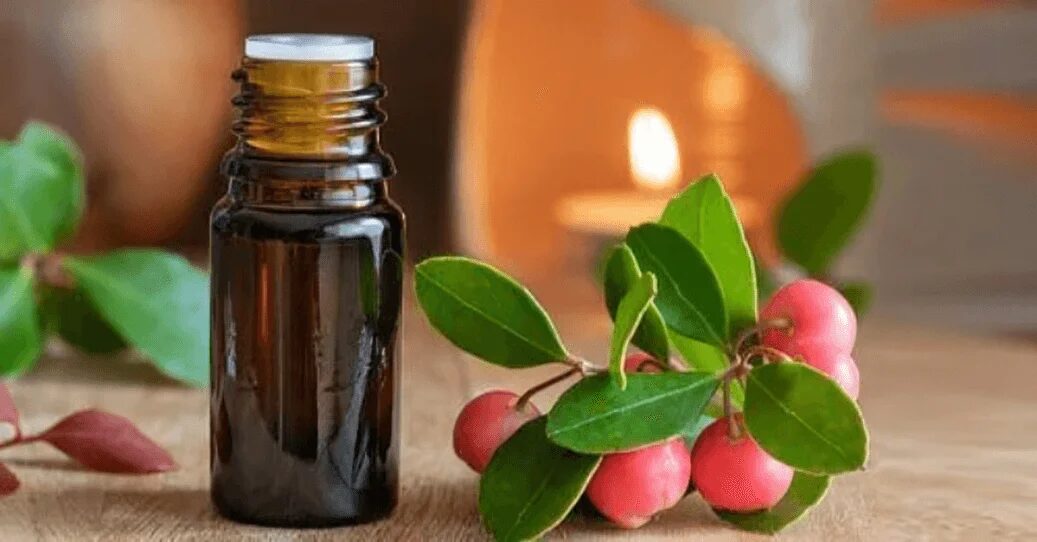
When it comes to natural pain relief, few ingredients have stood the test of time quite like Gandhpura oil. Known locally as Indian wintergreen, this powerful botanical has been a trusted companion in Ayurvedic medicine for thousands of years. If you’ve ever experienced joint pain, muscle tension, or nerve-related discomfort, understanding what Gandhpura oil is and how it works can open up a natural pathway to feeling better.
The Ancient Origins of Gandhpura Oil
The story of Gandhpura oil begins high in the Himalayan mountains, where the Gaultheria fragrantissima plant grows naturally in the misty forests of Uttarakhand, Nepal, and the northeastern regions. Known as “Gandhapura” in Sanskrit texts, this sacred herb has been valued in Ayurvedic traditions for over 5,000 years. Ancient Ayurvedic physicians recognized its remarkable ability to soothe chronic rheumatism, ease muscle spasms, and bring relief to those suffering from sciatica and other nerve-related conditions.
What makes Gandhpura oil particularly special is that it represents a perfect marriage of tradition and nature. The leaves of the Gaultheria fragrantissima plant contain aromatic essential oils that have been carefully extracted for generations using time-honored methods. This dedication to preserving the plant’s therapeutic potential is why Gandhpura oil remains such a prized ingredient in formulations like Neuralgia Oil, where it works alongside other complementary herbs to address pain and discomfort comprehensively.
Understanding the Active Power: Methyl Salicylate
At the heart of Gandhpura oil’s effectiveness lies a remarkable compound called methyl salicylate. This natural chemical makes up approximately 85-99% of the oil and is what gives it such potent pain-relieving properties. In fact, scientists and wellness experts often refer to Gandhpura oil as “nature’s aspirin” because methyl salicylate works in a similar way to the popular pain reliever, but entirely from natural sources.
Here’s how it works: when you apply Gandhpura oil to your skin, the methyl salicylate penetrates deep into the underlying tissues. Once there, it does something quite clever—it creates a gentle warming sensation that stimulates blood flow to the affected area. This increased circulation brings oxygen and nutrients to tired, aching muscles and joints, helping them recover and feel better. Beyond just creating warmth, methyl salicylate also works as a natural anti-inflammatory agent, which means it helps reduce the swelling and redness that often accompanies pain.
Key Therapeutic Properties That Make a Real Difference
What makes Gandhpura oil particularly valuable for pain management is its multi-faceted approach. It’s not just a one-trick remedy—it brings several therapeutic properties to the table. Research published in peer-reviewed medical journals has documented its remarkable analgesic and anti-inflammatory activities.
Pain Relief and Muscle Relaxation: The analgesic (pain-relieving) properties of Gandhpura oil make it exceptionally effective for muscular aches, joint stiffness, and tension headaches. When you massage it into an affected area, it doesn’t just mask the pain temporarily; it addresses the underlying inflammation that causes discomfort in the first place.
Anti-Inflammatory Action: Inflammation is often the root cause of persistent pain. Whether it’s arthritis, sports injuries, or repetitive strain, Gandhpura oil’s anti-inflammatory compounds help calm the body’s inflammatory response. This is particularly important for conditions like neuralgia, where nerve irritation creates both pain and inflammation.
Circulation Improvement: Poor blood circulation can trap pain-causing substances in muscles and joints. By enhancing local blood flow, Gandhpura oil helps flush out toxins and metabolic waste while delivering fresh, oxygen-rich blood to struggling tissues.
Antimicrobial and Antioxidant Properties: Beyond pain relief, Gandhpura oil also possesses antimicrobial and antioxidant qualities. Research has shown it exhibits remarkable antioxidant activity, making it useful not just for internal pain but also for maintaining healthy skin around the affected areas.
What Conditions Can Gandhpura Oil Address?
Traditional Ayurvedic texts and centuries of practical application have identified several conditions where Gandhpura oil shines. Modern clinical research has validated many of these traditional uses through rigorous scientific studies.
Neuralgia and Nerve Pain: Neuralgia—which involves sharp, shooting pain along nerve pathways—has long been one of the primary uses for Gandhpura oil. The herb’s ability to calm inflamed nerves and reduce nerve irritation makes it especially valuable for conditions like trigeminal neuralgia and other nerve-related discomforts. At DrugsWell, we’ve thoughtfully combined Gandhpura oil with complementary Ayurvedic ingredients to create targeted relief for nerve pain.
Sciatica and Lower Back Pain: The sciatic nerve, which runs from your lower back down through your legs, can cause debilitating pain when irritated. Regular massage with Gandhpura oil has traditionally been recommended to ease this specific type of pain, and many people report noticeable improvement within 10 days to two weeks of consistent use.
Joint and Muscle Pain: Whether you’re dealing with arthritis, sports injuries, or simple muscle soreness from daily activities, Gandhpura oil’s warming and anti-inflammatory properties provide relief. Athletes and active individuals often keep it on hand for quick recovery.
Headaches and Tension: When tension headaches strike—often from stress or muscle tightness in the neck and shoulders—applying Gandhpura oil to the temples and neck can bring surprising relief thanks to its relaxing and circulation-boosting properties.
How Gandhpura Oil Fits Into Your Wellness Routine
The beauty of Gandhpura oil is that it’s remarkably easy to incorporate into your daily routine. Most people use it as a topical oil, applying it directly to the affected area through gentle massage. For best results, many practitioners recommend warming the oil slightly before application—this enhances penetration and increases the warming sensation that helps muscles relax.
A typical application involves pouring a small amount into your palm, rubbing your hands together, and then massaging the oil into the affected area using circular motions. Allowing the oil to sit for at least 30 minutes (or overnight) helps maximize its therapeutic benefits as the active compounds work their way into deeper tissues.
For comprehensive pain management, Gandhpura oil is particularly effective when combined with other therapeutic herbs. This holistic approach leverages the wisdom of Ayurvedic essential oil therapy, which has gained significant attention in contemporary healthcare for its therapeutic potential in promoting overall well-being.
The Science Behind the Warmth and Relief
Recent scientific research has validated what Ayurvedic practitioners have known for millennia. Clinical trials published in respected medical databases show that methyl salicylate-based formulations can provide approximately 40-47% pain relief compared to placebos. One particularly interesting finding is that methyl salicylate works through multiple mechanisms—it doesn’t just rely on one pathway to effectiveness.
When applied topically, it reduces the production of inflammatory compounds called prostaglandins and thromboxane. At the same time, it stimulates blood vessel dilation, which explains that characteristic warming sensation. A comprehensive multicenter study involving over 3,500 patients demonstrated that compound methyl salicylate formulations significantly reduced pain scores with a pain relief rate of 47.11%, and 78.31% of participants experienced effective pain relief. This multi-pronged approach is why Gandhpura oil tends to deliver more comprehensive relief than single-action pain relievers.
Safety and Considerations
While Gandhpura oil is generally safe for topical use, it’s important to use it responsibly. The key is remembering that Gandhpura oil should only be applied to the skin externally—it should never be ingested, as methyl salicylate in concentrated form can be harmful if taken internally. If you have very sensitive skin, it’s wise to do a patch test on a small area first.
People with specific conditions—such as those taking blood-thinning medications or with certain types of allergies—should consult with a healthcare provider before using Gandhpura oil regularly. Similarly, it’s best to avoid applying it to broken or irritated skin.
Choosing Quality Gandhpura Oil
Not all Gandhpura oils are created equal. Quality matters significantly because the concentration of methyl salicylate and the freshness of the oil directly impact its effectiveness. When selecting products containing Gandhpura oil, look for formulations that list it prominently among the ingredients and come from trusted manufacturers committed to quality and purity.
The best Gandhpura oil products are often those created by companies with deep roots in Ayurvedic traditions and modern quality standards. Research on Gaultheria fragrantissima has emphasized the importance of proper cultivation and extraction methods to maintain the plant’s medicinal properties. These carefully crafted formulations ensure you’re getting the real therapeutic benefit rather than a weak or adulterated product.
The Takeaway
Gandhpura oil represents one of nature’s most effective and accessible remedies for pain management. Whether you’re dealing with chronic neuralgia, acute muscle strain, or the persistent ache of arthritis, this ancient herb has the potential to bring meaningful relief. Its centuries-long track record in Ayurvedic medicine, combined with modern scientific validation through clinical trials and pharmacological research, makes it a worthy consideration in your wellness toolkit.
By understanding how Gandhpura oil works—from its powerful methyl salicylate content to its ability to enhance circulation and calm inflammation—you can make informed decisions about incorporating it into your pain management strategy. Combined with other supportive lifestyle practices and quality formulations, Gandhpura oil can be a natural, effective path toward reclaiming comfort and mobility in your daily life.